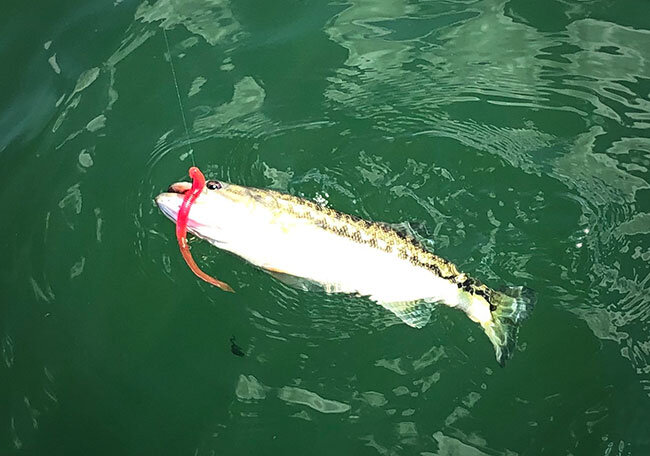
I’ve now been to Brazil four times – once to Rio when I was a teenager, and three times into two different sections of the Amazon Basin over the past decade. This last trip into the Mato Grosso state was by far the most remote. We were a 2 ½ hour plane ride (to a dirt landing strip) away from the city of Manaus. By now, lots of avid anglers have plied the Rio Negro River and its tributaries for peacock bass, but there were a lot of unknowns about the fishery and the terrain in this place where comparatively few Americans have fished. That’s not to say we were modern-day Teddy Roosevelts heading down the River of Doubt, but on the adventure scale for desk jockeys like me it was an E-Ticket.
I tried to embrace the remoteness to the extent possible. If indeed this was the one time I’d ever get there, I wanted to experience it in total. As modernity and technology creep into every corner of the world, there is no guarantee the same experience will exist in 5 or 10 years.
That’s why I signed on for a two-hour boat ride to an even more desolate section of the river one day. There was no indication that the fishing would be better – or even decent – but in the spirit of exploration I took the risk.
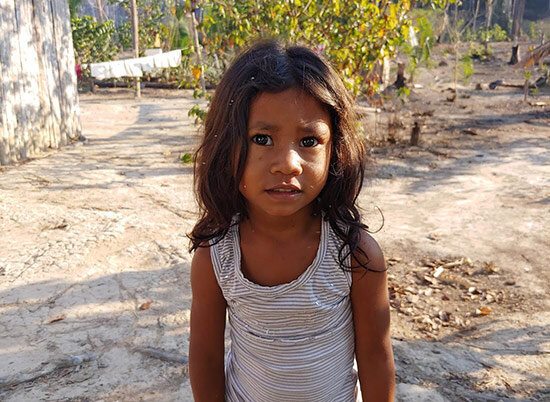
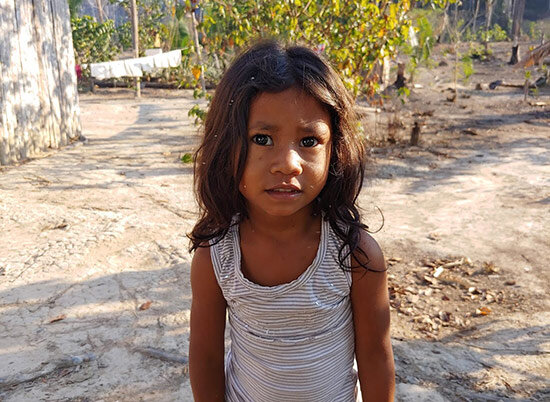
From an angling perspective, it would have been better to stay close. Not only would I have gotten in more casts, but the quality and quantity of the bite was every bit as good in front of the camp. In terms of the experience, though, I’m glad I went. We got to visit a small native village – just a few thatched huts, some chickens running around, and a garden – and interact with the friendly but wary locals.
They had modern clothing, but that’s where it ended. No TVs, no running water, and certainly no smartphones, the single instrument making the world smaller by the minute. They’re coming there eventually, I’m sure, but until then these people are sealed off from the outside world. We were told that it was another 7 hours in a boat to the next village.
As I said above, change is going to come to them, whether they like it or not. I’m agnostic on whether that’s a good thing or a bad thing, probably a little of both. The villager who dies at 25 from an infection in a broken leg could be saved with a little medical intervention, but they’ll pay a price in terms of changes to their culture. I’m not the type of person who thinks that culture is inherent or immutable. Anyone who espouses that view either has an agenda or a misunderstanding of history. Nevertheless, these little sealed-off pockets of the world are shrinking and disappearing by the day. If you want to experience one or more – and I think everyone should – you need to act fast.