
If you can’t make it to this week’s Bassmaster Classic, or September’s Bass Fishing Hall of Fame induction ceremony, you can still get in on some of the historical goodness by participating online in the auctions associated with both events. They’ll both be loaded with all sorts of outdoor gear, much of it one-of-a-kind, from jerseys to trips to artifacts. As an outdoorsman, it’s the trips that excite me most, but as a history geek it’s the limited-availability historical items that always catch my attention.
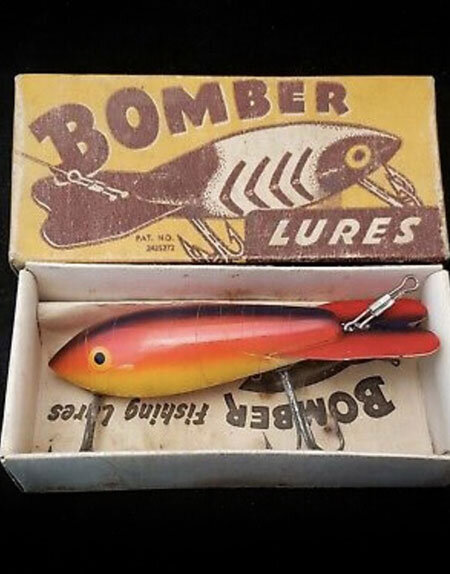
That’s why I became fixated on the donation of two original Bomber crankbaits from Bruce Stanton of PRADCO. These aren’t the plastic ones that came later, but rather the wooden ones with plastic lips. “Original Bomber crankbaits were made from various types of wood, including white cedar and even discarded telephone poles in the early days,” Bruce said. “The wooden body would float the metal lip and hooks above cover, allowing anglers to crawl the lure through without getting snagged.” The two lures, which have been out of production for 50-plus years, have been sitting in their original boxes in warehouses that whole time.
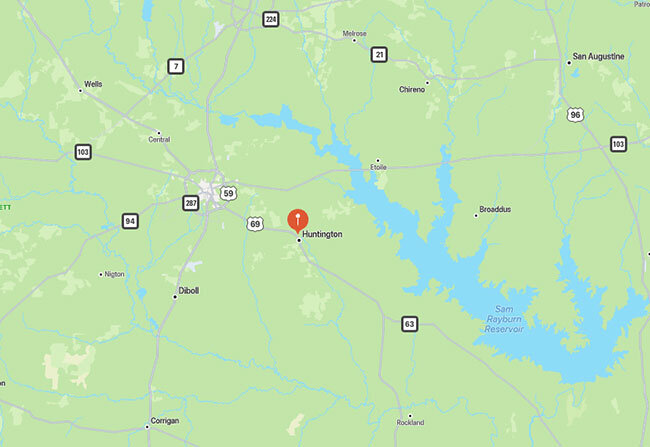
Making the story come full circle is that 2021 Hall of Fame Inductee Gene Gilliland (who may be too busy in his responsibilities as B.A.S.S. Conservation Director next week to get online and bid) was raised in Gainesville, Texas – which is remarkably close not only to where the Classic will be held, but is also where these particular lures were made.
“My roots go waaaaay back with the Bomber Bait Co.,” Gene told me. “I grew up in Gainesville and knew the trio of men that started the company - Clarence Turbeville, Ike Walker and John Parker. "Turby" kinda adopted me as a junior high school kid and took me fishing on several occasions. Those Original Wooden Bomber Crankbaits made in Gainesville, Texas, at original Bomber Lures factory on California Street. were made in a loft above my uncle's print shop. The company soon outgrew that spot and moved to a building on South Lindsay St. where they were for decades until PRADCO purchased them and eventually moved the operation to Ft. Smith. As Bruce noted, the old wooden baits were shaped on a lathe out of cedar. The very first versions had metal lips cut from Prince Albert tobacco cans. The hook cups were shoe eyelets and the line ties were hand made. Most were tested at a private natural lake called Leeper and at Lake Murray, both in Oklahoma, across the Red River from Gainesville. Murray was built in the 30s, well before the Corps of Engineers reservoir building boom.”
I am honored to have access to the people who know so much – and who have contributed so much – to the history of the sport that is so important to me. We should all be glad to have windows into this kind of history. Please bid if you can, and either way be sure to support the Hall.