
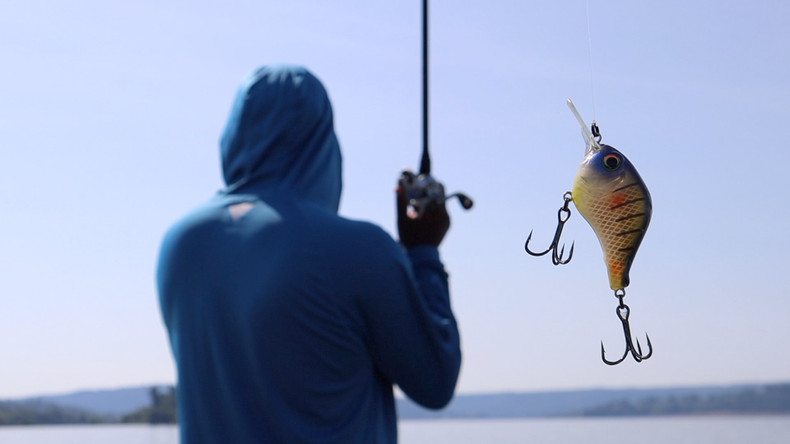
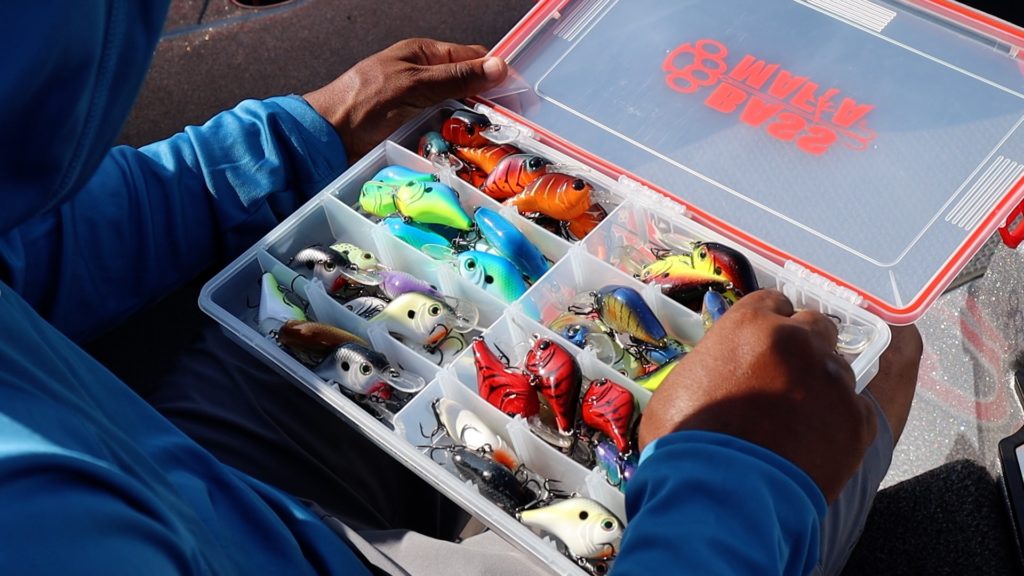
Crankbaits. Some dive deep while others stay close to the water's surface and every depth in between. They come in all sizes, shapes, and colors. There are some crankbaits that look like they would never catch a fish. They are so plain looking or they are painted in some bizarre color scheme. Some colors are just to catch fishermen and not fish. And, some look like a taxidermist painted them, with every realistic detail imaginable. No way a bass could pass them up.
Some fishermen wonder when or what time of year to throw crankbaits. Well, the answer is fairly simple. You can throw them year round, but you need to change the color, size, diving depth, and the way you retrieve them with the time of year and application you are using them in. There are so many variations as I have mentioned and you do need quite of a variety to be an effective crankbait fisherman.
Those boxes and boxes of cranks you see the pro fishermen carry are not because they get them for free, it is because they know that they may have to change up the lure they are using at a moment’s notice. Professional bass fishermen know that having every different style of crankbait will make them more effective. They also carry two or three of each style in case they lose the one that is working best to rocks or brush.
The purpose of crankbaits is to emulate everything from crawfish to every type of swimming fish you can think of. Not just bait fish but bass, perch, bluegill, stripers, and trout just to name a few examples. They also come in various insects. The largemouth will attack anything when they are hungry enough. There are even crankbaits that look like mice, rats, and even birds or ducks.
So again, how do I know when to use which one? Most fishermen know the patterns of their local lakes as well as the life cycle of the largemouth. Prespawn there are many males running the banks of local lakes. Females are hanging out a little deeper looking for an easy meal.
Crankbaits can be a quick way to cover a lot of shoreline and find the more active feeding fish. A reaction bait, they will trigger a strike quickly...if not, just keep moving down the shoreline. Don't give up, you will find them, and when you do, rework through that stretch of shoreline again and again to try and trigger more strikes.
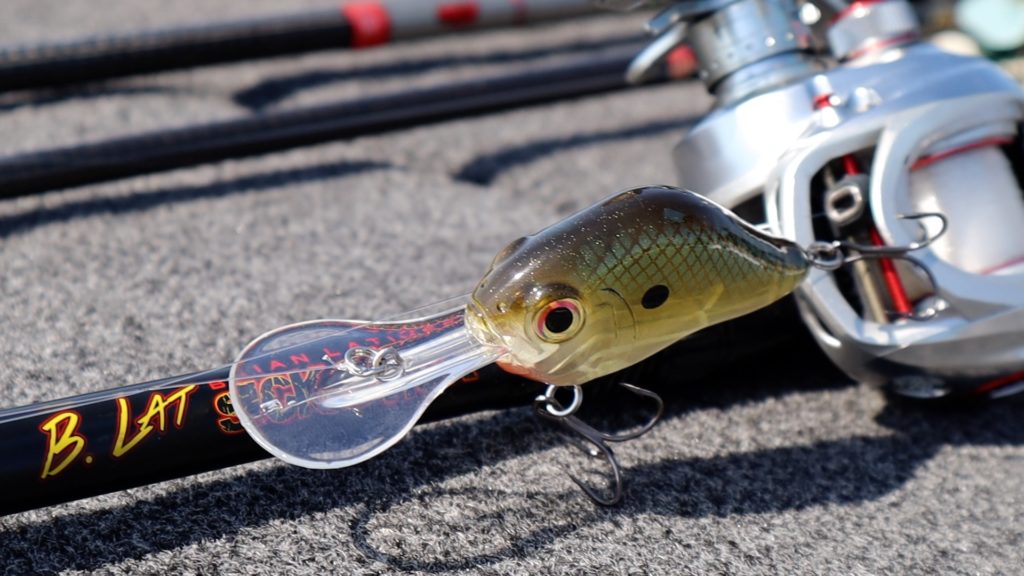
This time of year a deep diver might be a better choice for chasing the bass. The larger the bill, the deeper the crank will travel. It's good to have an assortment of bill sizes on your favorite cranks, but as you get better at working a crankbait, you will be able to work the deep diver from the shallows right out to the boat.
The bass are instinctively starting to crave the protein they need this time of year. They need to bulk up before going into their spawn, and the best food and protein source for them is crawdads. That is the prey they want to eat, and that is what you are trying to imitate when you work those deep-diving cranks...crawdads scurrying across the bottom. Put the nose or bill in the bottom and stir it up. It will get a largemouth's attention.
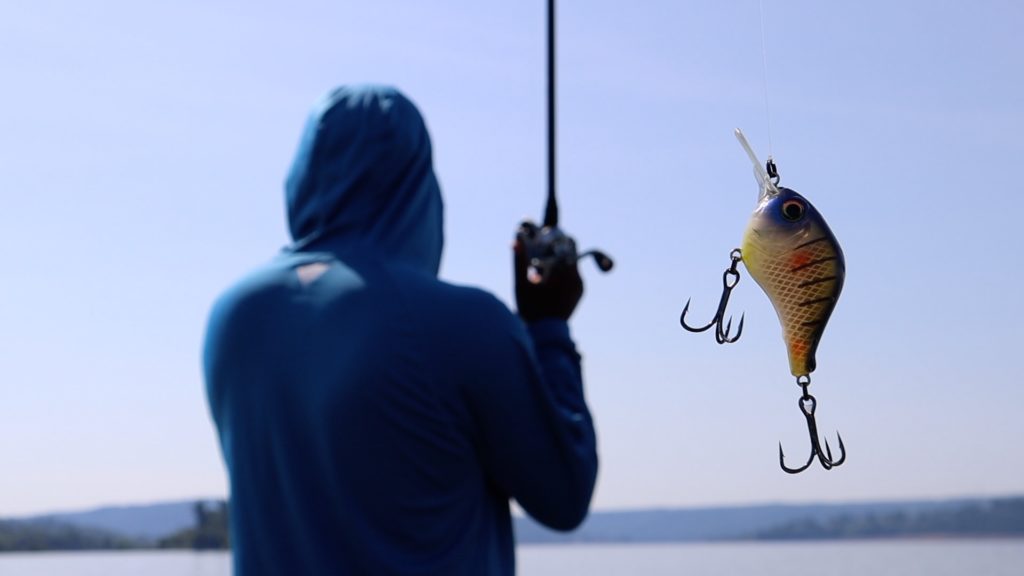
During the spawn you may want to go to a bait that resembles the fish that the bass want to keep off their nests and away from their eggs. Bluegill, panfish, stripers, or any fish who would love to feast on the largemouth's eggs will anger them into biting this time of year. One trick of the pros is to put a small egg sinker in front of a floating crankbait that looks like an invader and drop it in or around the nest of a bass. The egg sinker keeps your bait where you want it. The floating bait will want to float up if you give it some slack. Twitch it up and down and it will look like that bluegill is feasting on the bass' eggs and draw the strike!
As the spawn ends, bass still protect their fry. Often you will see a cloud of fry in the shallows with a parent carefully watching over them. Even if you can't see them they are there most of the time. If you bring a shallow diving crankbait or stickbait through the cloud of fry the parent bass will attack it to defend their young.
As summer approaches bass will often school up on various structure. It could be shoreline brush to rock piles. A deep diver, once you get in good control of it, can be used to fish from the shallow part of the rock pile down deep to the bottom. Remember, bouncing it off the rock may produce a strike.
Running a crankbait through brush can be a little tougher. You can hit a branch and set the hook thinking it is a fish and get your crank stuck in the bush or tree. The trick is to pause for a moment when you hit an object. If it is a bass it will pull back. A tree will not. The pause gives the bait a second to float up and take a different route, hopefully, a clean line out of the branches.
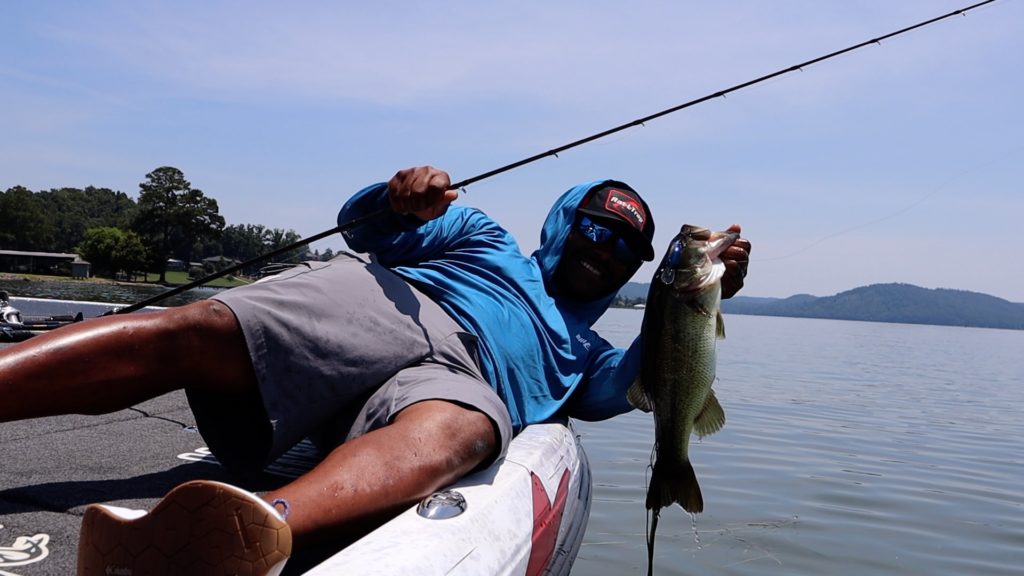
Late summer can bring breaking fish and bass chasing shad along the shore. Match the bait the bass are after with the right crank and score big this time of year. Even lipless crankbaits on the surface entice bass to break on them. A small-lipped crank can be used as a surface or just under the surface lure.
Remember that crankbaits come in all sizes from about an inch to several inches long. If you see dead shad laying on the surface you need to try and match what the bass are keying on. Color and size do make a difference. That is why I mentioned having such a large collection of cranks to be successful.
Fall and winter are still good times to throw cranks. Bass are now bulking up for winter and a larger crank can equal a big easy meal to a bass. There are cranks that look just like rainbow trout in all different sizes. Some are so large, as big as a 1 to 2-pound trout, that we often forget that they are crankbaits. Most of the local lakes plant trout and these baits can be deadly in the winter during plants.
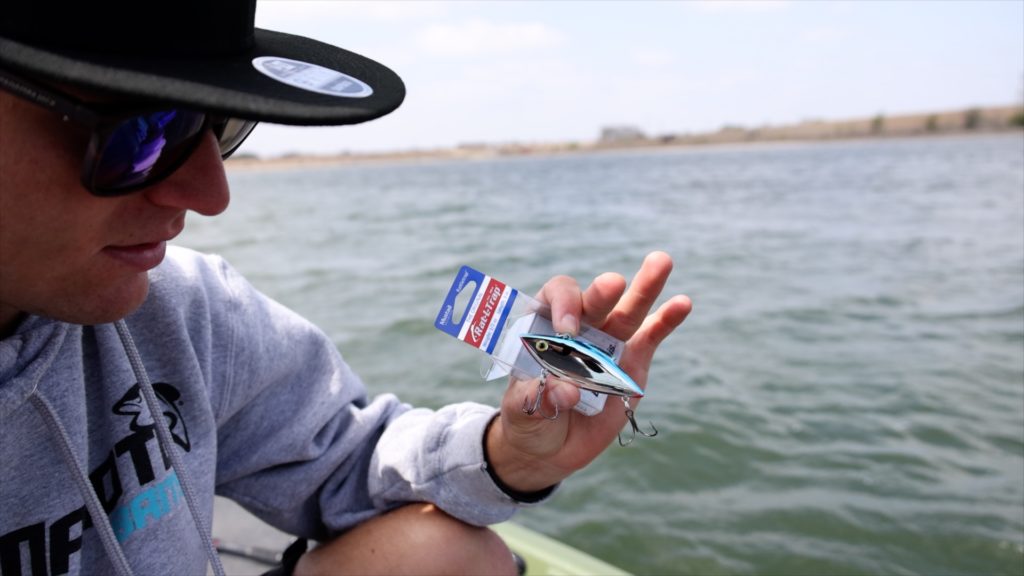
I know I didn't cover all the different techniques for crankbaits, but I wanted to touch on a few and get you excited about using them. Read articles, talk with pros, and attend seminars. These will all help with your quest to be better with cranks. You have to go and try different techniques and see what works best for you. If you are afraid of losing one then you should invest in a crankbait retriever. They are inexpensive and work well. Good luck and crank up some bass!