
This year’s Bassmaster Elite Series will be like no other. Instead of allowing forward-facing sonar in all of the events, B.A.S.S. rules now mandate a blend of live-sonar and no-live-sonar events — five with, four without. And though I won’t be competing, I feel I can offer some insight on what to expect from each tour stop.
It’s an exciting schedule, one filled with many challenges — especially with the new sonar ruling. Each event was decided by a simple coin toss, and it may surprise you as to which will allow its use.
That said, here’s a rundown of the schedule and my thoughts on how each event will play out.
Lake Guntersville
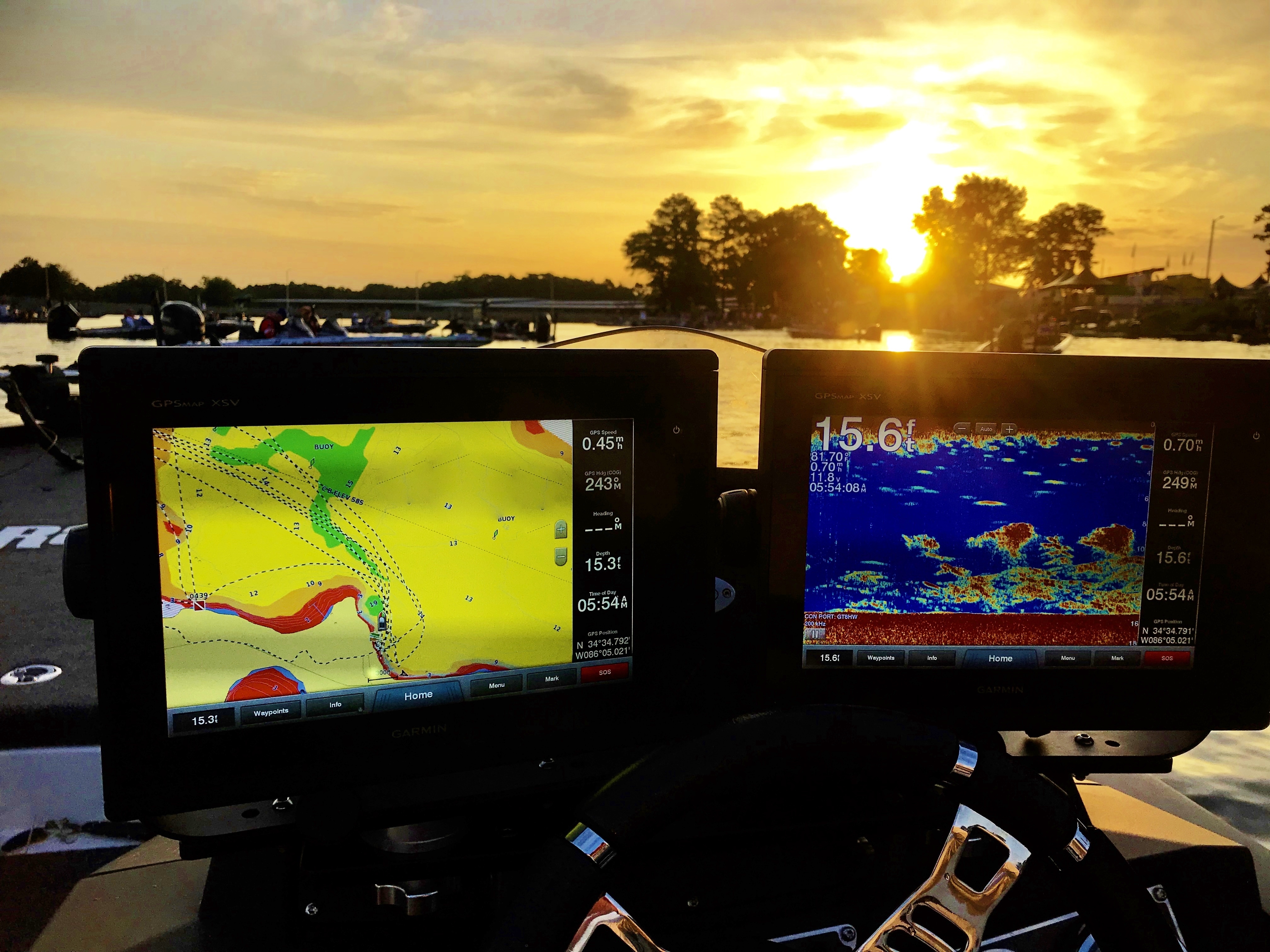
The season kicks off in February on this famed Northern Alabama fishery, and that may seem like a strange call. But let me assure you, no matter how cold it gets, plenty of fish will be caught. In fact, Lake Guntersville could produce some of the heaviest creels of the season.
Big pre-spawn females will be staging on grasslines, bridges, riprap, roadbeds and other key structural features, and they will definitely bite if correctly approached.
Because this was designated a no forward-facing-sonar event, it’s doubtful minnow-tipped jigs will be a dominant player. Instead, expect swimbaits, jerkbaits, bladed jigs, lipless and billed crankbaits, heavy casting jigs and soft-plastics to be among the more productive lure choices.
I anticipate the winning weight to be right at 85 pounds after four days, and higher should there be a warming trend leading into the competition.
Lake Martin
This Northern Alabama reservoir is deep, clear and full of spotted bass. It even supports a decent number of largemouth. Because forward-facing sonar will be allowed, the weights should be slightly heavier than normal.
Obvious targets will include rocky points, transition banks, docks, brushpiles and trenches leading into spawning areas.
Bait selection will include jerkbaits, crankbaits, wakebaits, bladed jigs, minnow-tipped jigs, Carolina rigs and drop-shot rigs.
Although the lake supports huge numbers of spotted bass, that actually works against creel size. Expect most limits to weigh between 8 and 10 pounds. Those who consistently bring more to the scales will surely make the cut to the weekend finals.
Tennessee-Tombigbee Waterway
Although this riverine system occasionally produces quality catches of largemouth and spotted bass, it’s usually more stingy than generous.
If the timing for the event is met with spring rains and cold temperatures, the river could turn into a muddy mess. And that will crowd the competitors into the clearer backwaters of each pool. If, on the other hand, it’s warm and the water remains reasonably clear, the catch rate may be surprisingly good.
Best lures will include bladed jigs, swim jigs, spinnerbaits, square-bill crankbaits, flipping jigs and a myriad of soft-plastics. My guess is the winner will narrow his lure choices down to a couple of baits in a secluded backwater.
Like Guntersville, this will be a no forward-facing-sonar event. And if cold rains hit prior to the competition, expect a four-day winning weight of less than 55 pounds.
Arkansas River
Based near Muskogee, Oklahoma, this stretch of the Arkansas River has a history of producing good catches, and April is a good time of year. Visible targets include water willow, stumpfields, laydowns and riprap banks. If the river rises above normal pool, flooded terrestrial grass and brush will factor in.
Lure choices will mirror the Tenn-Tom event. But because it’s scheduled for mid-spring, topwaters, buzzbaits, frogs and toads are other options. And since forward-facing sonar is allowed, expect minnow-tipped jigs and jerkbaits to be utilized by some of the anglers.
My guess is the winner will bring a 4-day, 20-fish creel of more than 55 pounds to the scales.
Lake Murray
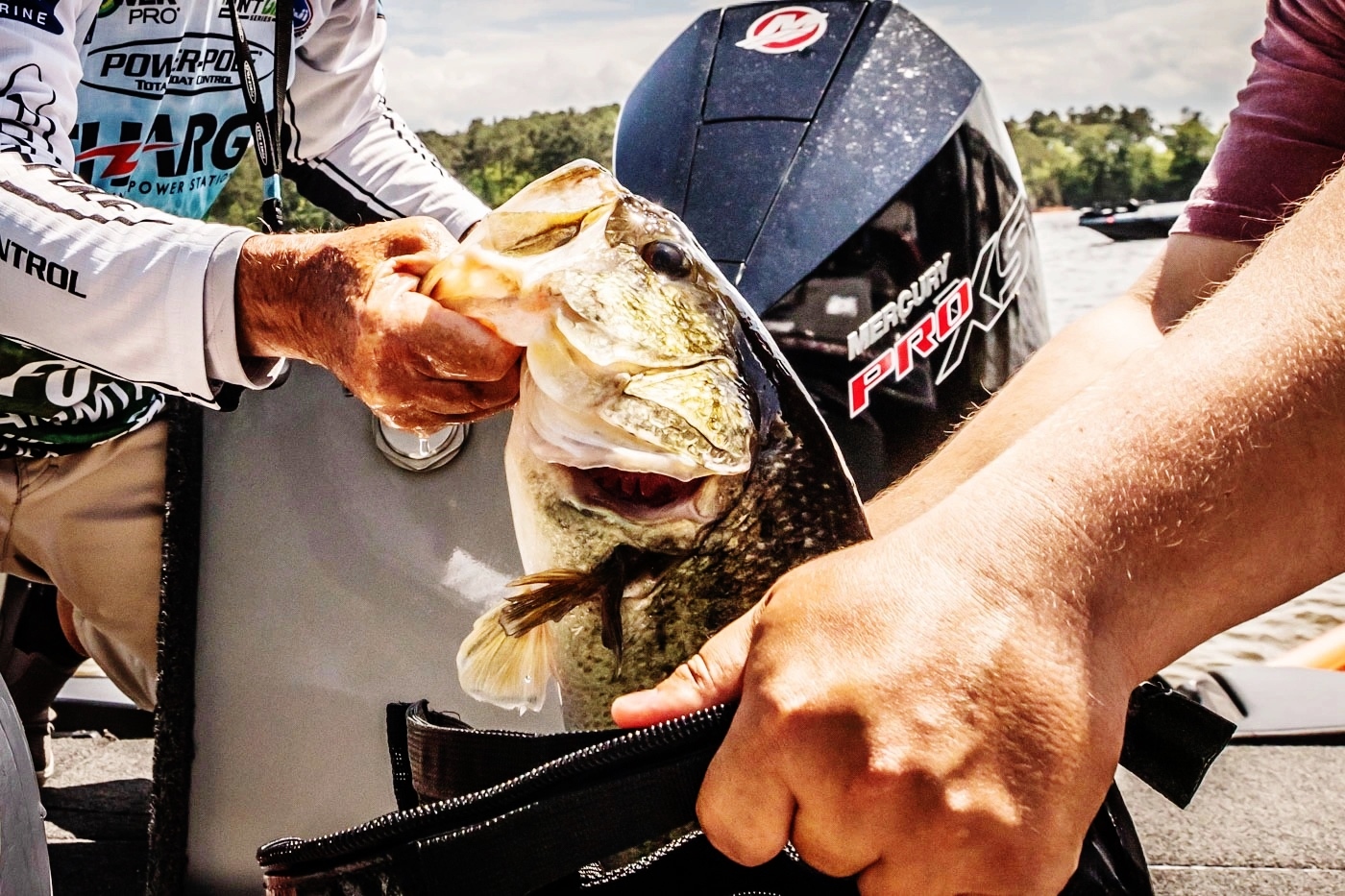
This South Carolina fishery ranks among the best schooling largemouth lakes in the country, and the fish are big on average. Because of its highly irregular shoreline, there are countless points and pockets scattered throughout the reservoir.
Murray’s shoreline is also peppered with docks and the fish use them. Although it’s late in the spring, there should be some fry-guarding males still in the shallows and on the ends of the docks.
Between the schoolers and the bank fish, watch for topwaters, jerkbaits, wakebaits, glidebaits, flukes and a variety of soft-plastics to produce the better catches. And if past performances are any indication, it will take better than 22 pounds a day to hoist the blue trophy.
Lakes Santee-Cooper
Also in South Carolina, these interconnected lakes fish much differently than Murray. Both feature large stands of cypress trees and plenty of vegetation. Their banks are lined with water willow, reeds, lily pads and other plant forms. There are also plenty of docks to fish.
Lure choices could range from topwaters to bottom-probing soft-plastics and everything in between. Among the favorites will be wacky-worms, bladed jigs, swim jigs, crankbaits, jerkbaits, spinnerbaits and buzzbaits. This, too, will be a no-forward-facing sonar event.
The winning weight should easily exceed 85 pounds, and it could come from either lake or the canal that connects them.
Pasquotank River—Albemarle Sound
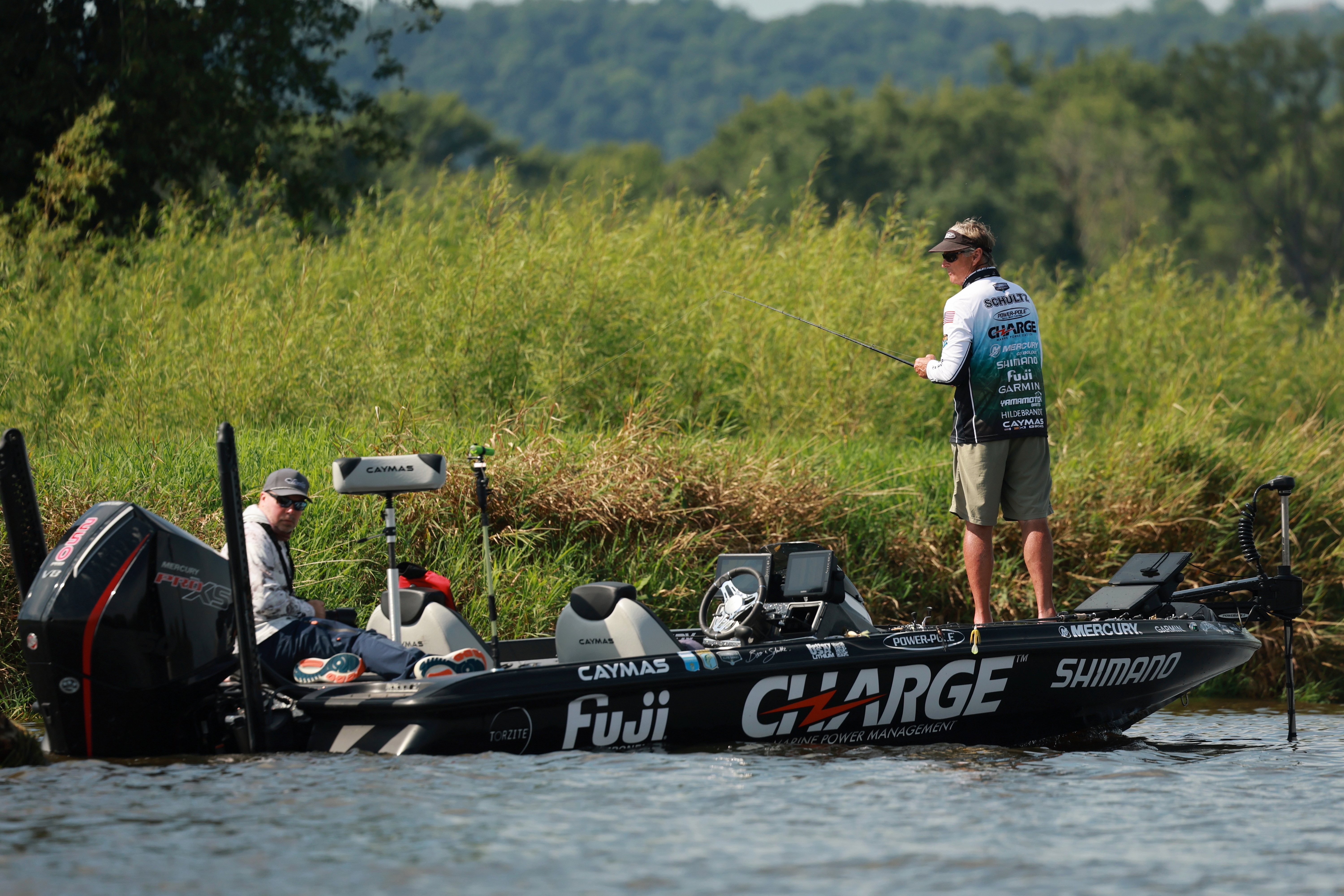
Numerous rivers and streams feed what will be one of the largest playing fields of the season — the Albemarle Sound. And there is no telling which of these tributaries will produce the winning catch.
The Sound is tidal, which will force the fish to reposition as water levels shift. But that’s only in the lower reaches of each tributary. Farther upstream, conditions should be stable and more predictable. Among the better targets are cypress trees, docks, pilings, lily pads and isolated patches of grass.
Topwaters, frogs, bladed jigs, swim jigs, buzzbaits, spinnerbaits and shallow-running crankbaits are obvious lure choices, but because this event allows the use of forward-facing sonar, minnow-tipped jigs and jerkbaits will also play.
Expect a winning weight between 75-80 pounds.
Lake Champlain
Normally one of the heaviest weight fisheries the Elites compete on, this year there will be no forward-facing sonar allowed. So targeting free-swimming schools of big smallmouth in open water is out of the question. Instead, the anglers chasing smallmouth are more likely to focus on structural features, like grasslines, shoals and rocky banks.
For those in pursuit of largemouth, marinas, docks, grassbeds and natural wood cover will be the focus. And some will travel extreme distances to find those targets.
The smallmouth should respond well to topwaters, jerkbaits and various rigs incorporating soft-plastics — like Ned rigs, Carolina rigs and drop-shots. The largemouth should react to buzzbaits, frogs, flipping jigs, bladed jigs, swim jigs and Texas-rig worms.
If the weather allows the competitors to fish four full days, expect the winning weight to be 85 to 90 pounds.
St. Lawrence River
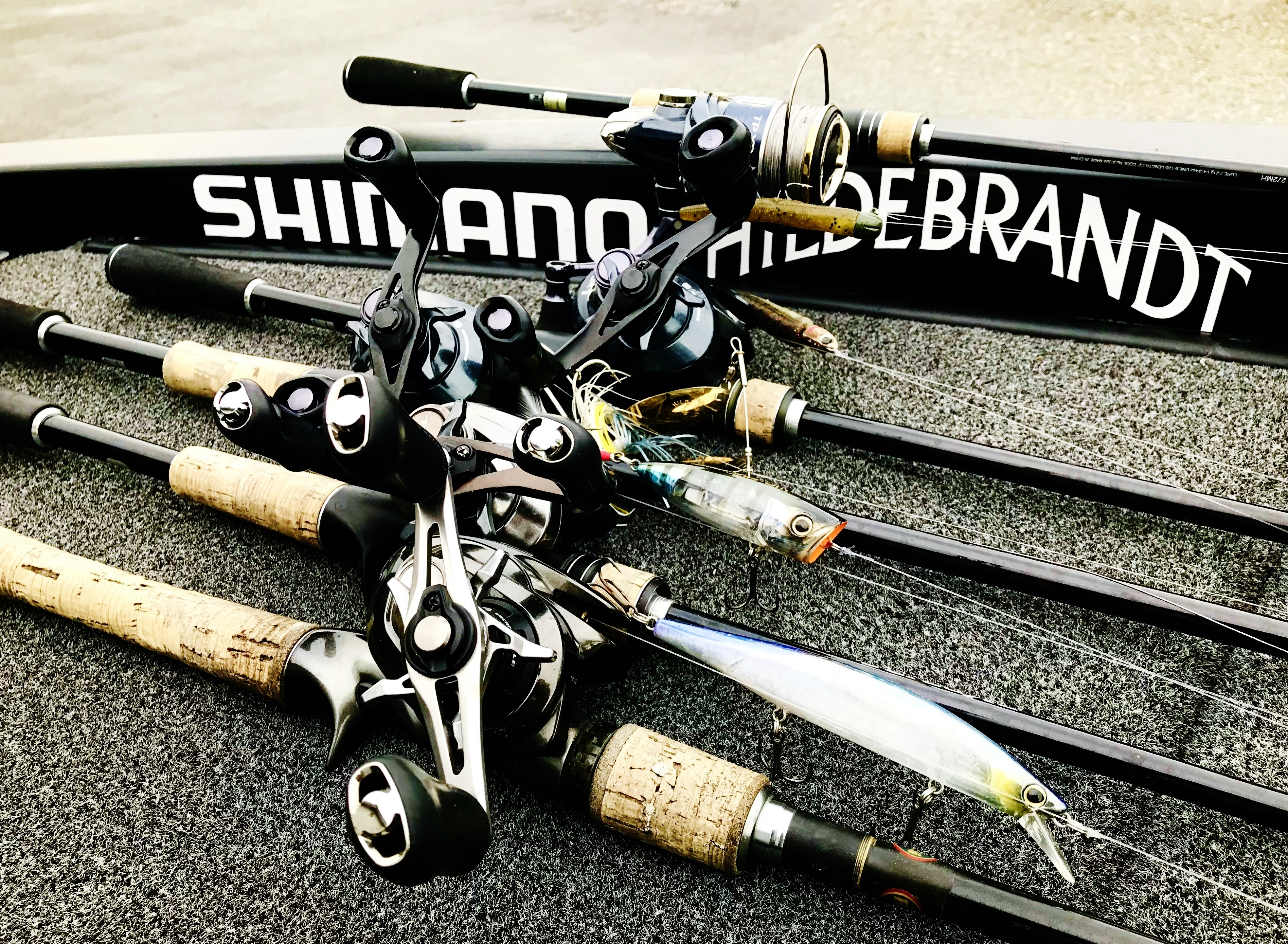
Combining the upper portion of the St. Lawrence River with the eastern basin of Lake Ontario, the competitors have a massive playing field to work with. And though the river can produce big stringers of both smallmouth and largemouth, it’s almost a given that most competitors will exploit whatever the lake has to offer.
All that could stand in their way is wind. Even then, some will brave huge waves to get to their fishing grounds.
To fool the smallies, finesse rigs usually get the call. That would include drop shots and Ned rigs. Some will throw hard baits into the mix, including jerkbaits, glidebaits and topwaters ... perhaps even crankbaits And because forward-facing sonar is allowed, expect to see plenty of minnow-tipped jigs in use.
For those bent on chasing largemouth, topwaters, hollow-body frogs, bladed jigs and weightless stick worms are likely prospects. That said, I’m confident smallmouth will dominate, and the winning weight should exceed 100 pounds.
The Wrap Up
In summary, it’s a challenging schedule with plenty of diversity — including natural lakes, rivers, reservoirs and tidewaters. And the angler who masters most of them will be crowned the Angler of the Year.